Proudly Serving Central & Eastern Massachusetts




Plumbing, Heating, Cooling & Electrical Experts
Emergency Heating Failure: What to Do When Your Furnace Dies on a Massachusetts Winter Night
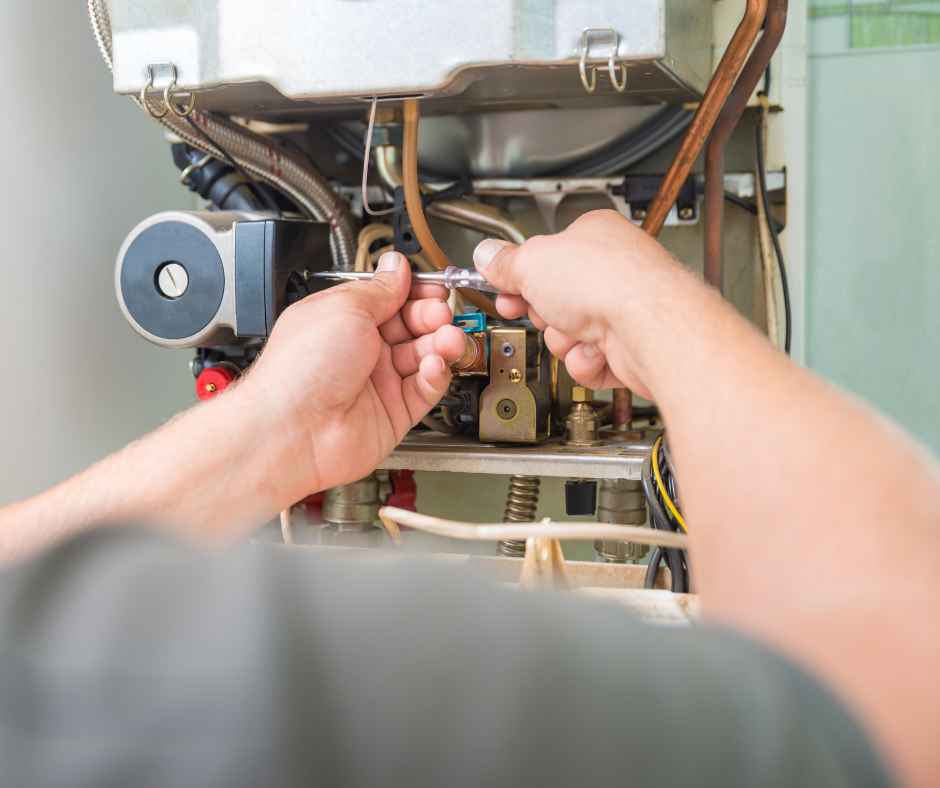
A furnace failure during a cold Massachusetts night can create an immediate heating emergency. When temperatures drop, homes lose warmth quickly, pipes become vulnerable, and families are left without a safe way to stay comfortable. Knowing what to do in those first moments is essential, especially when emergency furnace repair may be needed right away.
Unexpected heating failures happen often during the winter, and even a minor issue can escalate into a full system shutdown. The good news is that fast action and the right steps can protect your home while you wait for professional help.
In this blog, Landry Mechanical explains what to do when your furnace dies suddenly on a Massachusetts winter night. You will learn the warning signs to watch for, the first actions to take, how to stay warm safely, and when to call for emergency furnace repair. With these tips, you can stay protected and respond confidently during a heating emergency.
Warning Signs Your Furnace Is About to Fail
Most furnaces do not fail without giving a few warnings first. Noticing these early signs can save you from a sudden loss of heat and can help you decide when it is time to plan for emergency furnace repair. Homeowners often overlook small changes in performance, yet those changes can be the first indication of a serious issue.
Common warning signs include:
- Unusual noises such as banging, grinding, rattling, or squealing
- Weak or inconsistent airflow coming from your vents
- Uneven temperatures in different rooms
- A furnace that turns on and off frequently
- A sudden rise in heating bills without any change in usage
- Burning smells or a musty odor when the system runs
- Cold air blowing from the vents
- Visible soot, rust, or discoloration around the furnace cabinet
If you notice any of these symptoms, your furnace may be struggling to keep up with demand. During harsh Massachusetts winters, even a minor issue can escalate quickly because the system is working harder to maintain indoor temperatures. Acting early helps you avoid a complete breakdown and reduces the risk of needing urgent service in the middle of the night.
Immediate Steps to Take When Your Furnace Stops Working
A furnace failure on a cold Massachusetts night can feel overwhelming, but taking calm, organized steps can help protect your home and determine whether emergency furnace repair is needed. These actions are safe for homeowners to perform and can sometimes resolve simple issues before a technician arrives.
Start with these checks:
- Make sure the thermostat is set to “heat” and has working batteries
- Confirm that the furnace switch near the unit is turned on
- Check your circuit breaker for a tripped switch
- Inspect the air filter and replace it if it is clogged
- Look for blocked or closed vents that may restrict airflow
- Reset the furnace if your model includes a reset button
While these steps are helpful, safety should always come first. If you smell gas, hear persistent clicking without ignition, or notice any burning odors, leave the area and contact a professional right away. Do not continue troubleshooting when you suspect a safety issue.
If the furnace continues to shut down, fails to ignite, or blows cold air after these initial checks, professional service is the safest next step. Emergency furnace repair ensures the problem is diagnosed quickly and prevents additional stress on your heating system.
Staying Warm and Safe Until Emergency Furnace Repair Arrives
When your furnace stops working on a cold Massachusetts night, keeping your household safe and warm becomes the top priority. While you wait for emergency furnace repair, a few simple steps can help maintain comfort and prevent additional damage to your home.
Safe ways to stay warm include:
- Use space heaters that have automatic shutoff features
- Close doors to unused rooms to conserve heat
- Layer clothing, blankets, and warm socks
- Open curtains during the day to let in natural heat
- Seal drafts around windows and exterior doors
Protecting your home is just as important as keeping warm. Homeowners should pay close attention to areas where freezing could occur. Keeping faucets slightly open allows cold water to trickle and reduces the pressure that leads to frozen pipes. Cabinets under sinks can be opened to allow warm air to circulate around plumbing.
Safety should guide every decision you make during a heating outage. Avoid using ovens, stovetops, or portable propane heaters for warmth. These methods increase the risk of fire and carbon monoxide exposure. Fireplaces can be used if they are properly maintained, but they should never be left unattended.
Taking these precautions helps maintain a stable environment and protects both your home and your family while you wait for a technician to restore your heat.
Why Massachusetts Winters Make Furnace Failure More Urgent
Massachusetts winters are known for sharp temperature drops, heavy winds, and extended cold spells, which make a furnace failure significantly more dangerous than in milder climates. When outdoor temperatures fall quickly, indoor temperatures can follow just as fast, creating an urgent need for emergency furnace repair.
The severity of the local climate plays a major role. Massachusetts often experiences:
- Overnight temperatures well below freezing
- Wind chills that intensify the cold entering the home
- Snow and ice that increase strain on heating systems
- Long-duration cold fronts that leave furnaces running constantly
These conditions mean that a furnace malfunction can become a true emergency in a matter of hours. Homes lose heat quickly, and vulnerable areas like basements, crawl spaces, and exterior walls can reach temperatures low enough to freeze pipes. For families with young children or older adults, a prolonged heating outage can also become a serious health concern.
Because winter weather puts heavy demand on every heating system, furnaces in Massachusetts work harder and wear down faster. Even a small mechanical issue can escalate into a complete shutdown during severe cold. Quick access to professional repair becomes essential for protecting the structure of your home and maintaining a safe indoor environment.
When to Call for Emergency Furnace Repair
Some heating issues can wait for a scheduled appointment, but certain situations require immediate professional attention. Knowing when to call for emergency furnace repair helps protect your home and prevents a minor problem from becoming a major hazard.
You should reach out for emergency service when:
- The furnace will not turn on at all
- The system blows cold air and will not ignite
- You smell gas or notice a strong burning odor
- The furnace makes loud or unusual noises during startup
- The carbon monoxide alarm activates
- Breakers repeatedly trip when the furnace runs
- You cannot maintain a safe temperature inside your home
These conditions indicate that the furnace is experiencing a failure that could be dangerous or damaging if left unaddressed. A system that refuses to ignite may have a serious mechanical issue, while unusual odors or alarm activations can point to safety risks that require immediate action.
Emergency furnace repair is essential when temperatures are low enough to threaten your comfort or the condition of your property. Rapid heat loss can lead to frozen pipes, structural damage, and health concerns. Calling for professional help ensures that a trained technician can diagnose the problem quickly and restore safe, reliable heating as soon as possible.
Preventing Future Furnace Emergencies
While some heating failures happen without warning, many can be prevented with regular attention and proper care. Taking simple steps throughout the year helps reduce wear, improve performance, and lower the likelihood of needing emergency furnace repair during the coldest moments of winter.
Homeowners can improve furnace reliability by:
- Replacing air filters on a regular schedule
- Keeping vents and returns free from blockages
- Monitoring unusual noises or performance changes
- Maintaining a clean area around the furnace cabinet
- Using a programmable thermostat to reduce system strain
Professional maintenance is one of the most effective ways to prevent unexpected breakdowns. A seasonal furnace tune-up ensures that critical components are inspected, cleaned, and tested before the winter heating season begins. This proactive approach allows technicians to catch developing issues early and correct them before they turn into emergencies.
In Massachusetts, where furnaces work harder to keep up with long stretches of cold weather, routine maintenance is especially important. A well-maintained system runs more efficiently, lasts longer, and provides more dependable heat when your home needs it most.
Fast Emergency Furnace Repair Matters in Massachusetts
A furnace failure during a Massachusetts winter night can create an urgent situation for any homeowner. Understanding the signs of trouble, knowing the steps to take when the heat goes out, and staying safe while you wait for help all make a significant difference in protecting your home and your family. When temperatures drop and your heating system struggles, fast action and reliable service become essential.
Emergency furnace repair ensures that your system is restored quickly and safely. With experienced technicians who understand the challenges of cold weather conditions, Landry Mechanical provides the support you need during a heating emergency.
If your furnace stops working or begins showing signs of failure, contact us today for dependable service and professional care.
FAQ: Emergency Heating and Furnace Failure
How long does emergency furnace repair usually take?
Repair time depends on the cause of the breakdown and the availability of required parts. Many common issues, such as ignition problems or faulty sensors, can often be repaired during the initial visit. More complex issues may take longer, especially if replacement components are needed.
What should I do if my furnace keeps shutting off every few minutes?
Short cycling can indicate airflow restrictions, a failing thermostat, safety switch issues, or overheating inside the furnace. If the problem continues after a filter change and thermostat check, the system should be evaluated by a technician to prevent additional damage.
Can frozen pipes happen even if the heat is out for a short time?
Yes. During extremely cold nights, certain areas of a home can drop in temperature quickly. Pipes near exterior walls, basements, and crawl spaces are especially vulnerable. Keeping faucets slightly open can help reduce the risk of freezing until heat is restored.
Is it safe to use my fireplace as a backup heat source?
A properly maintained fireplace can provide temporary warmth, but it should be monitored at all times. Ensure the chimney is clear, keep flammable materials away from the opening, and never leave a fire burning unattended.
Why does my furnace fail more often during very cold weather?
Extremely low temperatures force the furnace to run longer and more frequently, increasing strain on components. Small issues that go unnoticed during mild weather can become major problems when the system must heat the home continuously.

Book Online in Minutes
schedule service today
When you need AC, heating, plumbing, or electrical repairs and replacements, call Landry Mechanical Inc Plumbing HVAC & Electric or book online for appointments in Millbury, MA, and throughout Worcester, Middlesex, and Norfolk Counties.