Proudly Serving Central & Eastern Massachusetts





Plumbing, Heating, Cooling & Electrical Experts
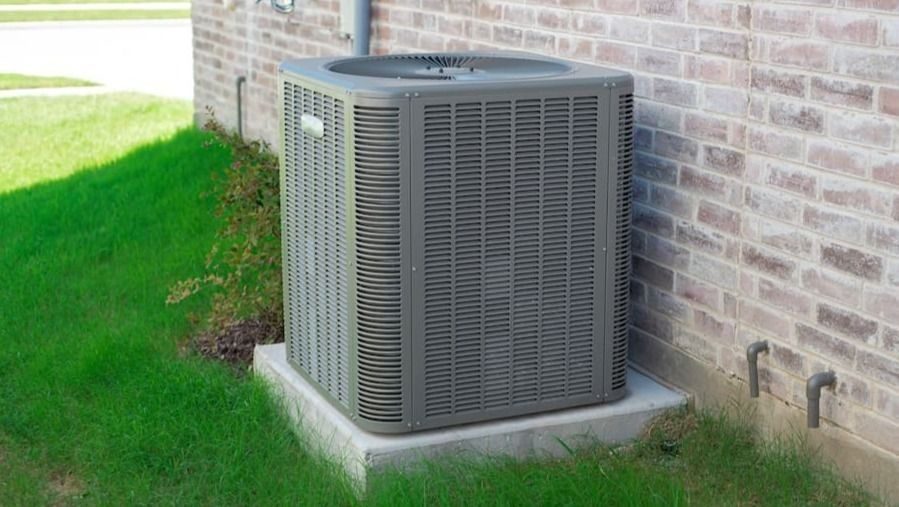
Should North Shore Homeowners Repair or Replace Their Air Conditioner Before Summer?
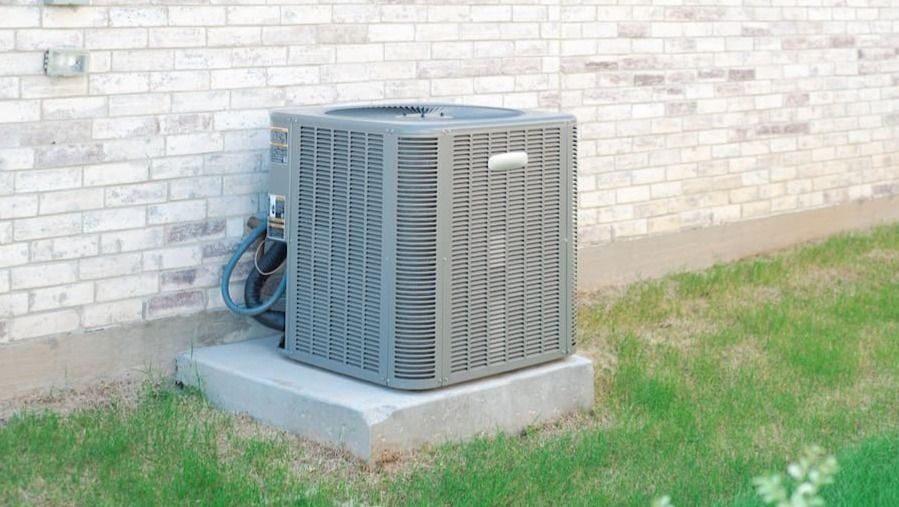
For many North Shore homeowners, the right choice comes down to system age, repair frequency, cooling performance, and whether the unit can handle summer demand without driving up energy costs. If the issue is limited and the system is still dependable, repair may make sense. If the AC is older, inefficient, or already struggling before summer, replacement is often the smarter long-term move.
The worst time to decide whether your air conditioner needs major work is during the first hot stretch of the season. That is when a problem that seemed manageable in spring can turn into long run times, uneven cooling, and an urgent service call. Pre-season checkups are recommended in spring specifically because cooling contractors get busier once summer arrives, and small issues are easier to catch before the system is under peak strain.
That is why spring is the right time to make the call. Before the weather turns consistently hot, you have more time to compare the cost of a repair against the value of a replacement and make a decision without the pressure of a breakdown.
In this guide, you will learn how to tell the difference when a repair or a replacement is needed, which warning signs matter most, and how to make the decision before summer puts your system to the test.
When Does AC Repair Still Make Sense?
Repair is often the better option when the system is still cooling well overall, and the problem is relatively isolated. If airflow is strong, your utility bills have stayed fairly consistent, and the unit has not needed frequent service, fixing one component may be the most practical move.
Repair also makes more sense when the AC has not yet reached the age where replacement becomes a more serious conversation. System age is not the only factor, but it does matter. Once cooling equipment is more than 10 years old, replacement becomes more reasonable to consider, especially if efficiency and repair costs are no longer working in your favor.
When Is Replacement the Smarter Option?
Replacement is usually the better choice when the air conditioner is no longer delivering reliable comfort or is becoming expensive to keep going. If the house cools unevenly, the unit runs much longer than it used to, or repair visits are becoming more common, the bigger problem may be overall system decline rather than one failing part.
Replacement also becomes more attractive when efficiency is part of the problem. Newer systems are generally more energy-efficient than older ones, thereby lowering operating costs and improving comfort. That matters most when the current system is already older and showing signs that it is working harder to produce the same results.
What Warning Signs Should Homeowners Take Seriously?
Some air conditioners still turn on even when they are clearly heading in the wrong direction. That is why the warning signs matter more than whether the system is technically still running.
Pay attention to problems like:
-
weak airflow
-
longer cooling cycles
-
rooms that cool unevenly
-
rising energy bills
-
unusual noises
-
moisture or drainage issues
-
comfort that never seems to match the thermostat setting
These symptoms often show up before a full breakdown. They can point to airflow problems, neglected maintenance, worn components, or a system that is simply nearing the end of its useful life.
Does Maintenance Change the Decision?
Absolutely. Sometimes what looks like a replacement situation is really a maintenance problem. Dirty filters, coil buildup, blocked airflow, and neglected seasonal service can all reduce performance and increase energy use. Regular maintenance of filters, coils, fins, and refrigerant lines is important because neglecting it leads to lower performance and higher energy consumption.
That is why a spring inspection is so valuable. Once the system has been checked, cleaned, and properly evaluated, it becomes much easier to tell whether the unit just needs service or is truly becoming unreliable.
How Much Does Age Matter?
Age should not be the only deciding factor, but it should be part of the decision. A well-maintained system can sometimes justify repair longer than expected, but once an AC is past the 10-year mark, replacement becomes easier to justify if it is also less efficient or needs repeated work.
Older systems also tend to leave less margin for error. One repair may solve today’s problem, but that does not necessarily mean another component will not fail next season. That is why homeowners should look at the pattern, not just the current invoice.
When Is It Risky to Wait?
Waiting is risky when the AC is already struggling in spring. If the system can barely keep up in mild weather, there is a good chance it will fall further behind once summer demand increases. Delaying the decision can also mean less scheduling flexibility and more pressure to act fast when service calendars fill up.
The real cost of waiting is often more than one repair. It can mean higher cooling bills, worsening comfort, a surprise breakdown, and a rushed replacement decision during the busiest part of the season.
Questions That Usually Decide It
When homeowners are weighing repair versus replacement, these questions usually make the answer clearer:
-
Is this the first repair, or one of several?
-
Is the system still cooling the house evenly?
-
Have energy bills gone up?
-
Is the airflow still strong?
-
Is the unit more than 10 years old?
-
Do you trust it to make it through the summer without another major issue?
What Usually Tips the Scale Toward Replacement?
Replacement is usually the better investment when several issues are happening at once. An older system that cools unevenly, runs constantly, and has needed repeated repairs is often costs more than it appears on paper. That is especially true when a new system would likely improve both comfort and efficiency.
For many homes, the question is not just whether the current repair can be made. It is whether putting more money into the old unit is the smartest use of that money before another summer of heavy use.
A Practical Way to Make the Decision
The clearest way to think about it is this: repair makes sense when the AC is still fundamentally sound. Replacement makes sense when the system is older, less efficient, increasingly unreliable, or no longer keeping the house comfortable the way it should.
If your system is already showing signs of stress before summer begins, that is usually a signal to take a harder look at replacement rather than hoping one more repair will keep it going indefinitely.
Key Factors to Review Before Summer
Before you decide, focus on the points that usually matter most:
-
system age
-
repair history
-
current cooling performance
-
energy efficiency
-
airflow and comfort
-
whether the unit feels dependable for another full summer
Make the Call to Landry Mechanical Before the Heat Arrives
If your air conditioner is still dependable and the issue is limited, repair may be the right move. If it is older, increasingly inefficient, or struggling before summer even starts, replacement is often the better long-term decision.
Landry Mechanical can help North Shore homeowners evaluate their current system, determine whether repair is enough, and recommend replacement when it is the smarter investment. If your AC is showing signs of trouble, now is the best time to schedule an inspection before summer demand ramps up. Contact us today to get started.
Book Online in Minutes
schedule service today
When you need AC, heating, plumbing, or electrical repairs and replacements, call Landry Mechanical Inc Plumbing HVAC & Electric or book online for appointments in Millbury, MA, and throughout Worcester, Middlesex, and Norfolk Counties.