Proudly Serving Central & Eastern Massachusetts




Plumbing, Heating, Cooling & Electrical Experts
Common Furnace Repair Issues in Central Massachusetts Homes
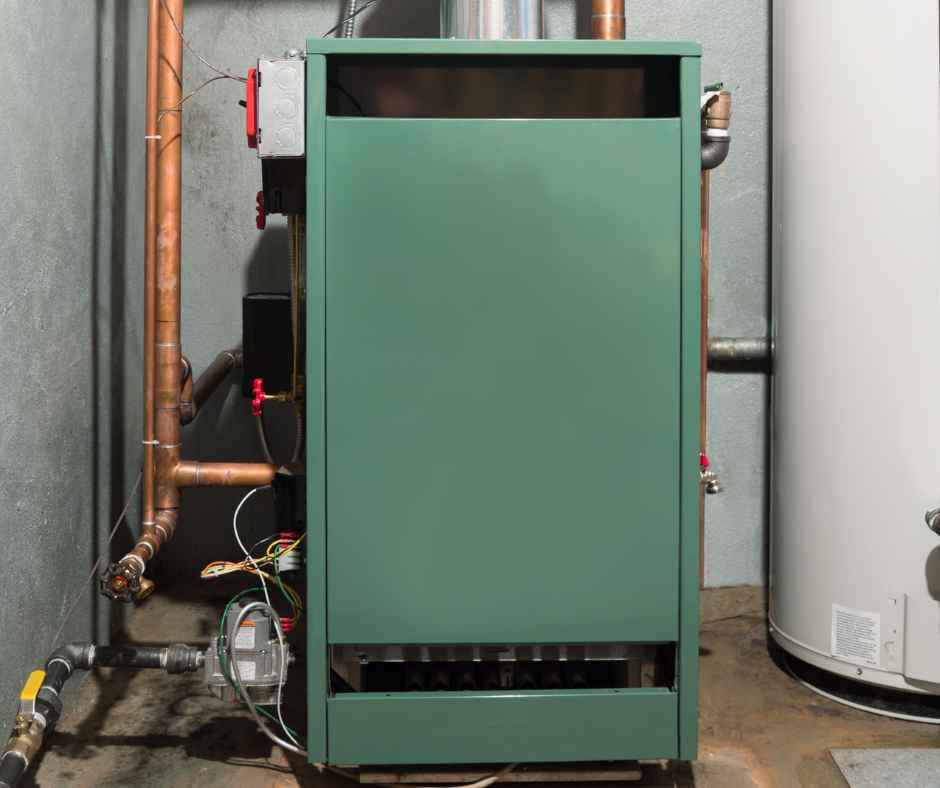
There is a very specific feeling of relief that comes when you hear your furnace kick on during a sub-zero night in Worcester or Middlesex County. In our part of the country, the heating season is not just a few weeks of chilly weather. It is a grueling, six-month marathon that puts immense strain on every single component of your HVAC system. When the wind is howling off the Wachusett Reservoir and the snow is piling up against the vents, your furnace is the only thing standing between your family and a very dangerous situation. Unfortunately, because these systems work so hard for so long, they eventually start to show the wear and tear of a typical New England winter.
In this guide, we will break down the most common issues that lead to the need for Central Massachusetts furnace repair.
Why Our Local Climate is Tough on Heating Systems
In Central Massachusetts, we do not just deal with the cold; we deal with weather volatility. One day it might be forty degrees and raining, and by the next evening, we are staring down a deep freeze with temperatures well below zero. This “accordion” effect causes your furnace to cycle on and off constantly to keep up with the thermostat. This rapid cycling is a leading cause of premature part failure. It places a heavy burden on the ignition system and the heat exchanger, which must expand and contract hundreds of times each week.
Beyond the temperature swings, our local geography plays a role in how your system performs. Many homes in our area are surrounded by old-growth trees that drop a massive amount of pollen and dust in the spring and fall. This debris often enters your home’s air intake, clogging the system before the heating season even begins.
As a homeowner, you should keep an ear out for these early warning signs that your system is struggling with the local environment:
- A sudden increase in your monthly gas or electric bill that cannot be explained by a colder-than-average month.
- Short-cycling, which is when the furnace turns on and off every few minutes without ever actually reaching the temperature on the thermostat.
- Unusual noises like screeching, banging, or a low rumbling that seems to vibrate through the floorboards.
- Yellow or flickering flames in the burner window instead of a steady, crisp blue flame.
- A lingering smell of dust or “burning metal” that persists long after the first time you turn the heat on for the year.
If you ignore these symptoms, you are essentially waiting for a total system lockout. Most modern furnaces are equipped with safety sensors that shut the unit down if they detect a dangerous condition, such as an overheating heat exchanger. While this prevents a fire, it also means you will need emergency furnace repair in the middle of a blizzard. Being proactive about these local environmental factors is the best way to ensure your system survives the long haul from October through April.
Dirty Filters and Restricted Airflow: The Silent Killers
It sounds almost too simple to be true, but a dirty air filter is the number one reason we are called out for a furnace repair during a cold snap. Your furnace is essentially a giant lung. It needs to “breathe” a specific volume of air to stay cool and dissipate heat throughout your home. When that filter becomes clogged with pet hair, dust, and dander, the blower motor must work twice as hard to pull air through the mesh. This generates significant internal heat. If the cabinet temperature rises too high, a safety device called a limit switch will trip, shutting off the burners to prevent the heat exchanger from cracking.
Restricted airflow does not just stop at the filter, though. We often find that homeowners in Central Massachusetts have blocked off vents in “unused” rooms to try and save money on their heating bills. In reality, this does the opposite. Your HVAC system was designed for a specific amount of “backpressure.” When you close too many vents, you throw the whole system out of balance, causing the motor to burn out prematurely.
Maintaining proper airflow is a year-round job that involves more than just a filter swap. You should make sure your return air grilles are not blocked by furniture or heavy curtains. If you have a high-efficiency furnace that vents through the side of your house rather than a chimney, you also need to clear away any snow or ice buildup from those exterior pipes. A blocked exhaust vent will trigger a pressure switch that prevents the furnace from even trying to light. It is a simple mechanical safeguard, but it can feel like a disaster when it happens at two in the morning during a Nor’easter.
Ignition and Sensor Failures: When the Spark is Gone
If you hear your furnace clicking repeatedly but the heat never actually kicks on, you are likely dealing with an ignition or sensor failure. In the old days, furnaces used a standing pilot light that stayed lit all winter. Modern units use electronic igniters or “hot surface” igniters that function like a light bulb filament. These parts are incredibly efficient, but they are also fragile. Over years of use, the constant heating and cooling cause the igniter to become brittle and eventually crack. Without that initial spark or glow, the gas valve will not stay open, and your home will stay cold.
Another frequent culprit for a Central Massachusetts furnace repair is a dirty flame sensor. This is a small, thin metal rod that sits in the path of the flame. Its job is to tell the control board that a fire has actually started. If the sensor is coated in a thin layer of “carbon crust,” which is common in our area due to the humidity and dust, it can no longer “see” the flame. For safety, the furnace will shut off the gas within seconds to prevent a dangerous buildup.
There are several reasons why these modern ignition systems stop firing correctly:
- Carbon Buildup: A microscopic layer of soot on the sensor that prevents it from sending an electrical signal to the board.
- Worn Igniters: Filaments that have reached the end of their lifespan and can no longer reach the temperature needed to light the gas.
- Draft Issues: If the inducer motor is not pulling enough air through the heat exchanger, the pressure switch will prevent the ignition sequence from starting.
- Electrical Faults: Loose wiring or a failing control board that cannot communicate with the various safety sensors.
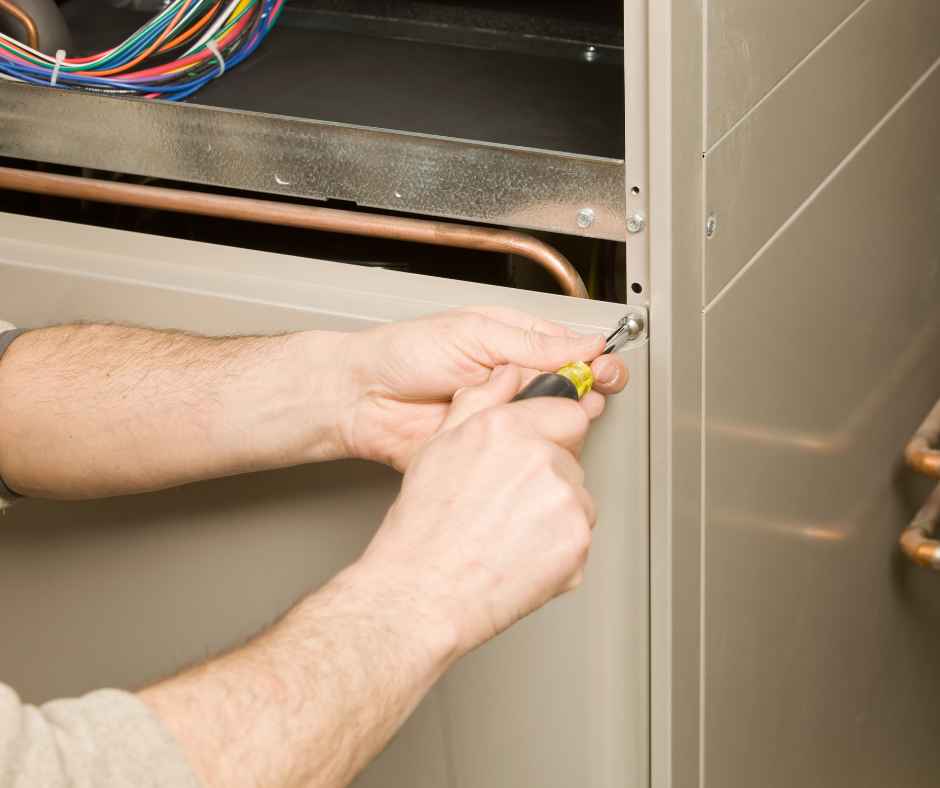
Cleaning a flame sensor is a delicate task that requires a steady hand and the right materials. While it might be tempting to try a DIY fix, these sensors are part of your home’s primary safety circuit. A professional can quickly diagnose whether the part just needs a cleaning or if it is time for a full replacement. Keeping these small, sensitive components in good shape is the secret to avoiding those frustrating “no-heat” calls in the middle of a deep freeze.
The Mechanical Toll: Blower Motors and Worn Belts
The blower motor is the workhorse of your entire heating system. Once the burners have heated up the air, this motor spins a large fan to push that warmth through the maze of ductwork in your house. In many of our older Central Massachusetts homes, the ducts can be narrow or winding, which forces the motor to work against a lot of resistance. Over time, the bearings inside the motor can dry out, or the windings can overheat. If you start to hear a high-pitched squealing or a rhythmic thumping every time the heat turns on, your blower motor is likely crying out for help.
In some older systems, the motor is connected to the fan by a rubber belt. Just like the belts in your car, these can become cracked and brittle over several seasons of use. If a belt snaps, the furnace will still light and generate heat, but that heat has nowhere to go. This quickly leads to an “overheat” condition, shutting the system down. During a professional maintenance visit, a technician will check the tension on these belts and lubricate the motor bearings to ensure everything spins freely. This simple step can prevent a complete motor burnout, which is one of the more expensive parts to replace during a furnace repair.
Taking care of the mechanical side of your furnace is about more than just avoiding noise. A struggling motor uses significantly more electricity and provides less consistent airflow, leading to “cold spots” in your home. If you notice that the air coming out of your vents feels weaker than it used to, or if the furnace seems to be vibrating more than usual, it is a sign that the mechanical components are reaching their limit. Addressing these issues before the motor fails completely is the smartest way to manage your home’s long-term maintenance budget.
Staying Warm in the Heart of the Commonwealth
Surviving a New England winter requires a heating system that is as resilient as the people who live here. While furnace repair is a common reality of homeownership, it does not have to be a source of constant stress. By understanding the impact of our local climate and keeping an eye on the health of your filters, sensors, and motors, you can stay one step ahead of the cold. Your furnace is a complex piece of machinery, but with the right care, it will keep your home a warm sanctuary through even the toughest Nor’easters.
At Landry Mechanical, we take pride in being a trusted neighbor for families across the region. We know the specific challenges of keeping a home comfortable in Worcester County, and we are committed to providing the honest, expert service you deserve. Contact us today to ensure your furnace is ready for the long winter ahead.
FAQ: Central Massachusetts Heating Questions
How often should I change my furnace filter during a New England winter?
For most homes, we recommend checking the filter once a month during the peak heating season. If you have pets or a dusty environment, you may need to replace it every 30 to 60 days to maintain proper airflow and prevent a furnace repair.
Why does my furnace smell like it is burning when I turn it on for the first time?
This is usually just the smell of dust that has settled on the heat exchanger over the summer. It should dissipate within 20 to 30 minutes. If the smell persists or smells like burning plastic or rubber, turn off the system and call for an inspection.
Is it safe to use a space heater if my furnace fails?
Space heaters can be used as a temporary measure, but they are a fire hazard if left unattended or plugged into an extension cord. If your furnace is out, it is better to have a professional fix the underlying issue to ensure your entire home stays safely above freezing.
What should I do if my furnace is leaking water?
If you have a high-efficiency furnace, it produces condensation during operation. A leak usually means a drain line is clogged or the internal pump has failed. This is a common furnace repair that should be addressed quickly to prevent water damage to your basement floor.
Why is one room in my house always colder than the others?
This is often caused by unbalanced airflow, leaky ductwork, or insufficient insulation in that room. A technician can perform a “static pressure” test to see if your blower motor is strong enough to push air to the furthest points of your home.
Book Online in Minutes
schedule service today
When you need AC, heating, plumbing, or electrical repairs and replacements, call Landry Mechanical Inc Plumbing HVAC & Electric or book online for appointments in Millbury, MA, and throughout Worcester, Middlesex, and Norfolk Counties.