Proudly Serving Central & Eastern Massachusetts






Plumbing, Heating, Cooling & Electrical Experts
Hard Water Problems in Millbury: Why a Water Softener is a Smart Investment
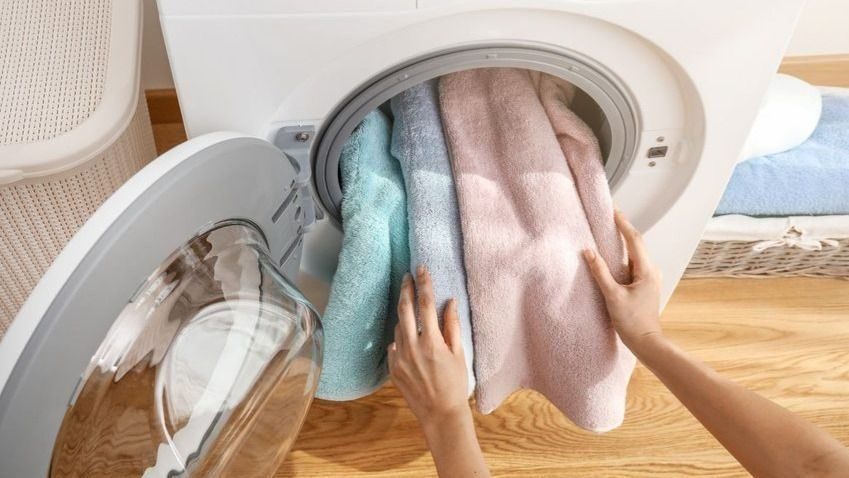
Have you noticed white mineral deposits around your faucets, stubborn soap scum in your shower, or spots on dishes even after you wash them? These everyday frustrations may signal hard water, a common water quality concern that can affect plumbing fixtures, appliances, and household cleaning.
For homeowners in Millbury, Massachusetts, water hardness depends on several factors, including the property’s water source and the minerals present in the water. While hard water isn’t typically a health concern, excessive mineral content can create maintenance challenges and may affect certain household appliances.
In this guide, we’ll explain what causes hard water, how it affects your Millbury home’s plumbing, and why installing a water softener may be a worthwhile investment.
What Causes Hard Water in Millbury, Massachusetts?
Hard water contains elevated concentrations of dissolved minerals, primarily calcium and magnesium. These minerals naturally enter water as it moves through soil, rock, and underground geological formations.
The amount of calcium and magnesium in your home’s water depends on its source and the conditions surrounding that source. Municipal water supplies and private wells can have different hardness levels, even within the same community.
In Millbury and surrounding Central Massachusetts communities, homeowners shouldn’t assume their water is hard simply because they notice occasional mineral deposits. Water testing is the most reliable way to determine actual hardness levels.
Water hardness is commonly measured in milligrams per liter as calcium carbonate or grains per gallon.
The U.S. Geological Survey generally classifies water hardness as follows:
-
Soft water: 0–60 milligrams per liter.
-
Moderately hard water: 61–120 milligrams per liter.
-
Hard water: 121–180 milligrams per liter.
-
Very hard water: More than 180 milligrams per liter.
Although these classifications help describe mineral content, they don’t automatically determine whether a household needs treatment.
Hard water is generally considered a household maintenance concern rather than a drinking-water safety issue. However, private well owners should still test for other contaminants according to applicable health recommendations.
What Are the Most Common Signs of Hard Water in Your Home?
Hard water problems often show up during everyday cleaning and plumbing tasks. As water evaporates, dissolved minerals can remain behind, leaving visible deposits on household surfaces.
One of the most recognizable signs is white, chalky buildup around faucets and showerheads. These deposits may be more noticeable where water frequently splashes or evaporates.
Other common signs of hard water include:
-
Spotted dishes and glassware: Mineral residue remains after washing and drying.
-
Soap scum: Hardness minerals react with soap, creating stubborn deposits.
-
Reduced lather: You may need more soap to achieve the desired cleaning effect.
-
Stiff laundry: Mineral interactions with detergents can affect fabric feel.
-
Showerhead buildup: Deposits accumulate around spray openings.
-
Scale inside appliances: Mineral deposits form in equipment that heats or uses water.
While these symptoms can suggest elevated water hardness, they aren’t definitive proof. Detergent choice, appliance settings, and other water-quality factors may produce similar results.
A professional water hardness test can help confirm whether mineral content is contributing to these problems.
How Does Hard Water Affect Your Plumbing and Appliances?
Hard water can affect more than the appearance of your sinks and shower doors. Over time, mineral deposits can build up inside plumbing fixtures and certain water-using appliances.
Scale forms more easily when hard water is heated. As water temperature rises, certain dissolved minerals can deposit on internal surfaces.
Water Heaters
Mineral scale can build up inside water heaters, especially on surfaces exposed to high temperatures. In some systems, these deposits can reduce heat-transfer efficiency or increase maintenance needs.
Faucets and Showerheads
Scale can collect around faucet aerators and showerhead openings. As deposits accumulate, homeowners may notice uneven spray patterns or reduced water flow.
Dishwashers and Washing Machines
Hardness minerals can reduce cleaning performance and build up on internal components. Homeowners may also notice increased spotting or detergent residue.
Plumbing Pipes
Certain piping systems can experience mineral scale accumulation over time. However, the extent of buildup depends on water chemistry, temperature, pipe materials, and other conditions.
Hard water doesn’t automatically cause pipe corrosion or guarantee premature appliance failure. Nevertheless, reducing excessive hardness may help limit some of the maintenance challenges associated with mineral deposits.
How Does a Water Softener Work?
A water softener reduces the calcium and magnesium that cause water hardness. Most conventional whole-house water softeners accomplish this through a process called ion exchange.
As hard water enters the system, it passes through a tank containing specialized resin beads. These beads attract calcium and magnesium ions and exchange them for sodium or potassium ions.
The treated water then flows into the home’s plumbing system with a lower concentration of hardness minerals.
Over time, the resin becomes saturated and must be regenerated. During regeneration, a brine solution restores the resin’s ability to exchange minerals.
A typical ion-exchange water softener includes several components:
-
Resin tank: Contains the material that removes hardness minerals.
-
Brine tank: Stores salt or potassium chloride used during regeneration.
-
Control valve: Regulates water flow and treatment cycles.
-
Regeneration system: Restores the resin’s treatment capacity.
Water softening and water filtration serve different purposes. A conventional water softener primarily addresses hardness minerals. It doesn’t automatically remove bacteria, arsenic, nitrates, or other potential drinking-water contaminants.
Homeowners concerned about overall water quality may need additional testing and treatment beyond a water softener.
What Are the Benefits of Installing a Water Softener?
For Millbury homeowners with significant hard water problems, a properly selected water softener can offer several practical benefits.
One of the most noticeable improvements is reduced mineral buildup. With fewer hardness minerals entering the plumbing system, scale may accumulate less frequently on faucets, showerheads, and other surfaces.
Softer water can also improve how soaps and detergents perform. Calcium and magnesium interfere with certain cleaning products, making it harder to produce lather and remove residue.
Potential benefits of water softening include:
-
Less mineral scale: Reduced deposits on fixtures and water-heating equipment.
-
Easier household cleaning: Less soap scum and mineral spotting on surfaces.
-
Improved detergent performance: Cleaning products may work more effectively.
-
Reduced appliance maintenance: Less scale formation may help limit certain maintenance concerns.
-
Improved convenience: Homeowners may spend less time removing stubborn mineral deposits.
The extent of these benefits depends on the original water hardness, household water usage, and the system’s performance.
While reducing scale can support efficient equipment operation, homeowners shouldn’t assume that installing a softener will automatically reduce energy bills or extend every appliance’s lifespan.
Is a Whole-House Water Softener Worth the Investment?
A whole-house water softener treats water entering the home’s plumbing system, allowing multiple fixtures and appliances to benefit from reduced hardness. However, deciding whether installation is worthwhile requires considering both the initial investment and ongoing operating requirements. Installation costs depend on the equipment selected, household water demand, plumbing configuration, and available installation space.
Homeowners should also budget for regular maintenance. Most conventional ion-exchange systems require periodic replenishment of salt or potassium chloride. They also use water during regeneration and may require occasional professional service.
For households with relatively soft water and few noticeable mineral problems, a whole-house system may provide limited practical value. However, homeowners dealing with substantial scale buildup, persistent cleaning difficulties, or appliance maintenance concerns may find water softening beneficial.
Instead of choosing equipment solely because hard water is common in some communities, start by determining whether your home’s water actually needs treatment.
How Do You Choose the Right Water Softener for Your Millbury Home?
Choosing a water softener involves more than selecting the largest available system. Proper sizing and configuration help ensure the equipment meets household demand without unnecessary salt or water use.
Start with a professional water test. Testing establishes the hardness level and helps determine how much treatment capacity is necessary.
Household water consumption also matters. A larger family with multiple bathrooms may need a different system than a smaller household with lower daily water use.
Additional considerations include the home’s water source, available installation space, regeneration efficiency, and maintenance requirements. Private well owners may need additional testing for iron, manganese, or other water quality concerns that can affect treatment equipment.
The system should also have suitable plumbing connections, drainage provisions, and enough room for routine maintenance. A professional evaluation can help homeowners compare options and avoid investing in equipment that doesn’t match their needs.
Explore Water Softener Installation With Landry Mechanical
Hard water can create frustrating household problems, from stubborn mineral deposits to increased maintenance needs for plumbing fixtures and appliances. However, the right solution starts with understanding your home’s water quality, not assuming every property needs the same treatment.
At Landry Mechanical, we help homeowners throughout Millbury and surrounding Central Massachusetts communities address plumbing concerns and explore solutions that support reliable household systems. If you notice mineral buildup, recurring fixture problems, or other signs of hard water, evaluating your water quality can help you decide your next steps.
A properly selected water softener may reduce scale accumulation and make everyday cleaning easier, but testing and professional guidance are essential. Contact Landry Mechanical today to discuss your hard water concerns, explore water treatment options, and determine whether a whole-house water softener makes sense for your Millbury home.

Book Online in Minutes
schedule service today
When you need AC, heating, plumbing, or electrical repairs and replacements, call Landry Mechanical Inc Plumbing HVAC & Electric or book online for appointments in Millbury, MA, and throughout Worcester, Middlesex, and Norfolk Counties.