Proudly Serving Central & Eastern Massachusetts




Plumbing, Heating, Cooling & Electrical Experts
Why Heating Systems Work Harder in Worcester County Than Closer to the Coast
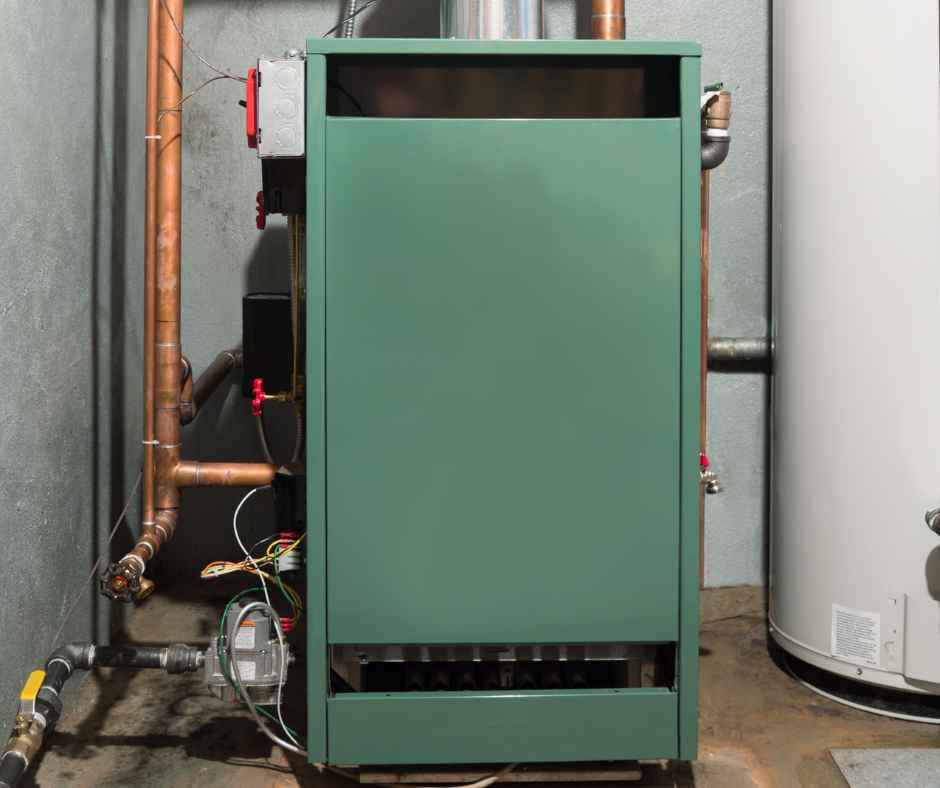
For many residents of Central Massachusetts, the “Worcester vs. Boston” debate usually centers on sports or traffic. However, for a homeowner’s heating system, the difference between Worcester County and the coast is a matter of pure survival. Despite being less than 50 miles from the Atlantic Ocean, Worcester County faces a significantly harsher winter environment than coastal neighbors like Boston or Cape Cod.
At Landry Mechanical, we often see heating systems in towns like Auburn, Charlton, and Paxton working significantly harder than those closer to the sea. This isn’t just a coincidence; it’s a result of New England’s unique geography and the “Heart of the Commonwealth’s” higher elevation. Understanding why your heating system is under extra stress is the first step toward optimizing your comfort and preventing an unexpected mid-winter breakdown.
The Coastal Buffer vs. The Inland Deep Freeze
The primary reason heating systems in Worcester County are put through the wringer is the lack of a maritime influence. The Atlantic Ocean acts as a massive thermal battery for coastal Massachusetts. Because water retains heat longer than land, ocean air keeps coastal towns several degrees warmer in winter. This maritime buffer often turns a heavy snowstorm in Boston into cold rain. That protection vanishes once you head west toward the Worcester Hills.
Inland areas experience a much more continental climate. This leads to several specific challenges for your furnace or boiler:
- The Elevation Gap: Worcester sits at approximately 480 feet, while many surrounding towns reach nearly 1,000 feet. For every 1,000 feet of elevation gain, the temperature typically drops by about 3.5 degrees. This means that while a coastal home is hovering at a manageable 34 degrees, a home in Worcester County is often well below freezing.
- The Cold Air Damming Effect: Because Worcester County is situated on a plateau, cold and dense air often gets trapped against the hills. This pocket of freezing air can linger for days. It forces your heating system to run nearly continuous cycles just to maintain a steady indoor temperature.
- Wind Chill and Exposure: Inland homes are often more exposed to the “Nor’west” winds without the wind-breaking structures of a dense city or the flatter terrain of the coast. These gusty winds strip heat away from your home’s exterior walls much faster. Professionals refer to this phenomenon as convective heat loss.
For your heating system, these geographical factors mean the load is consistently higher in Worcester County. The load is the amount of heat the system must produce to keep you comfortable. It remains higher here than for a house of the exact same size on the coast.
Impact on Equipment: Faster Wear and Tear in the Hills
The extra work required to heat a home in Central Massachusetts takes a physical toll on your equipment. In coastal areas, a furnace might run in short bursts to maintain comfort. In the Worcester Hills, that same unit often enters a state of “continuous operation” during a January cold snap. This constant activity accelerates the aging process of several critical components.
Specific parts that experience faster wear and tear include:
- Igniters and Burners: Because the system cycles more frequently or runs for longer durations, the ignition system undergoes significantly more stress. In Worcester County, an igniter may reach its “limit” years earlier than the same part in a milder climate.
- Blower Motors: The motor that pushes air through your vents is the workhorse of your system. In colder inland temperatures, this motor runs nearly non-stop. This leads to bearing wear and potential electrical burnout if the motor is not regularly lubricated and cleaned.
- Heat Exchangers: The metal inside your furnace expands and contracts every time it heats up and cools down. This “thermal cycling” is more extreme in the hills because the temperature difference between the freezing intake air and the heated internal air is so large. Over time, this stress can lead to microscopic cracks that pose a serious safety risk.
- Inducer Fans: These fans ensure that combustion gases are safely vented out of your home. High-demand winters mean these fans operate at high speeds for months. This makes them prone to mechanical failure at the exact moment you need them most.
In 2026, with current costs for parts and labor, a neglected system in a high-demand area is a significant financial liability. When one part is pushed to its breaking point, it often puts additional strain on the rest of the system. This creates a domino effect of repairs that could have been avoided with a more proactive maintenance approach.
The Efficiency Gap: Higher Bills for Inland Homeowners
In Worcester County, the cost of staying warm is not just about the rate you pay per therm of gas or kilowatt-hour of electricity. The real driver of high energy bills is the total volume of energy your home consumes to keep you warm. Because temperatures in towns like Spencer and Millbury are consistently lower than in Boston, your heating system must consume more fuel to maintain the same indoor temperature. This creates a significant “efficiency gap” where Central Massachusetts homeowners often pay hundreds of dollars more per season than those on the coast.
For the 2025-2026 winter season, several factors are influencing these costs:
- Increased Consumption: Worcester County residents face more “heating degree days” than coastal residents. This is a measure of how long and how often the outside air temperature stays below 65 degrees. More heating degree days mean your furnace or boiler is active for more hours of the day, directly increasing your monthly bill.
- Utility Rate Variations: Many Worcester County residents are served by National Grid, while coastal areas may be served by Eversource or municipal light plants. In 2026, electric heating costs in Massachusetts rose by roughly 6%. For homes relying on electric baseboards or older heat pumps, this increase is felt more sharply in colder, inland climates.
- Heat Pump Efficiency Limits: While modern heat pumps are incredibly efficient, their efficiency can drop during the extreme “deep freeze” events that are more common in the Worcester Hills. When a heat pump has to switch to “auxiliary” or “emergency” electric strip heat, the operating cost can skyrocket compared to a milder coastal night.
- Distribution and Infrastructure: Bringing energy inland requires extensive infrastructure. Delivery charges on your utility bill often reflect the cost of maintaining the grid across the varied and sometimes difficult terrain of Central Massachusetts.
At Landry Mechanical, we help homeowners bridge this gap by focusing on system optimization. Even a small increase in your system’s efficiency can lead to large savings when your unit is running as hard as it does in Worcester County.
Strategic Solutions: How to Combat the Central MA Cold
Homeowners in Central Massachusetts do not have to settle for astronomical bills or unreliable heat. Because your system is working harder than a coastal unit, your strategy for home comfort must be more robust. You can offset Worcester County’s geographic disadvantages by focusing on three main pillars: maintenance, weatherization, and smart technology.
Here are the most effective ways to protect your heating system and your wallet:
- Bi-Annual Tune-Ups: While coastal homeowners might get away with skipping a year of service, Worcester County residents cannot. A professional inspection ensures that your igniters, blower motors, and heat exchangers are clean and ready for the heavy lifting of a January deep freeze.
- Aggressive Air Sealing: In a windy hill town, a small gap around a window or door can feel like an open vent. Use the Mass Save program to find and seal air leaks. Reducing the amount of cold air entering your home significantly lowers the load on your furnace.
- Hybrid Heating Systems: For 2026, many inland residents are switching to “dual fuel” or hybrid systems. These combine an electric heat pump for milder days with a gas or propane furnace that takes over during the most extreme cold events. This allows you to stay efficient without risking your comfort when the temperature drops well below zero.
- Smart Thermostat Integration: A smart thermostat can help your system manage its cycles more effectively. By gradually warming the house rather than demanding a sudden 10-degree jump, you reduce the mechanical stress on your system during the coldest parts of the morning.
- Ductwork Insulation: In many older Worcester County homes, heating ducts run through unheated attics or crawlspaces. Insulating these pipes ensures that the heat you pay for actually reaches your living room instead of being lost to the freezing air under your floorboards.
These steps turn a high-demand home into a high-efficiency home. When your equipment is properly supported, it can handle the extra work of the Worcester climate without failing prematurely.
Local Expertise for the Heart of the Commonwealth
Worcester County residents face unique challenges that coastal homeowners do not. From higher elevations to more frequent deep freezes, your heating system is pushed to its limits every winter.
At Landry Mechanical, we live and work in the same environment as our customers. We understand the specific demands that a Central Massachusetts winter places on your furnace, boiler, or heat pump. By staying proactive with maintenance and taking advantage of 2026 efficiency upgrades, you can ensure your home remains a sanctuary from the cold.
Our team is ready to help you optimize your system for the hills of Worcester County. Contact us today to schedule your winter readiness check and experience the peace of mind that comes with local expertise.
Frequently Asked Questions
Why is it consistently colder in Worcester than in Boston?
The temperature difference is primarily due to elevation and distance from the ocean. Worcester sits hundreds of feet higher than sea level, and higher elevations naturally have thinner, cooler air. Additionally, the Atlantic Ocean stays relatively warm during the winter. This provides a “heat blanket” for the coast that does not reach inland Central Massachusetts.
Does my furnace really need more maintenance just because I live inland?
Yes. Because your system runs for more hours each day to combat the lower temperatures, it reaches its mechanical wear-and-tear milestones much faster. An inland furnace might do the same amount of work in five years that a coastal furnace does in eight. Regular maintenance is the only way to prevent this extra work from leading to a premature breakdown.
Are heat pumps effective for Worcester County winters in 2026?
Modern cold-climate heat pumps are very effective, but they must be sized correctly for our specific geography. Many Worcester County residents choose “hybrid” systems. These use a heat pump for most of the season but have a gas or propane backup for the handful of nights when temperatures drop well below zero.
What is the “Heat Pump Rate,” and can I get it in Central Massachusetts?
The Heat Pump Rate is a 2026 utility discount for homeowners who use electric heat pumps as their primary heat source. If you are a National Grid customer in Worcester County, you may be eligible for a significant discount on your delivery charges from November through April. This helps offset the higher energy demand caused by our colder climate.
Book Online in Minutes
schedule service today
When you need AC, heating, plumbing, or electrical repairs and replacements, call Landry Mechanical Inc Plumbing HVAC & Electric or book online for appointments in Millbury, MA, and throughout Worcester, Middlesex, and Norfolk Counties.