Proudly Serving Central & Eastern Massachusetts






Plumbing, Heating, Cooling & Electrical Experts
Beyond Flashlights: Why a Standby Generator is a Winter Must-Have for Reading Homes
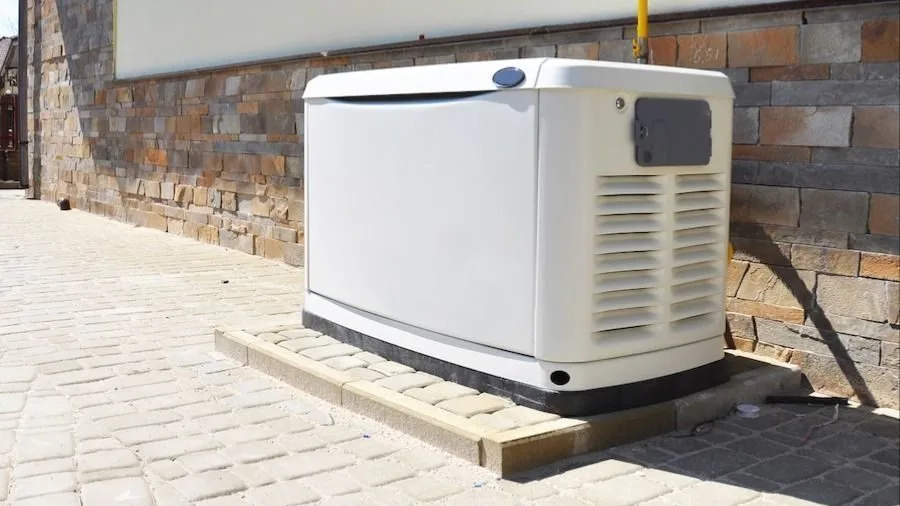
Winter in Reading, Massachusetts, brings freezing temperatures, heavy snow, icy conditions, and the possibility of unexpected power outages. While flashlights, blankets, and emergency supplies are important parts of winter storm preparation, they cannot keep your heating system running or power essential household equipment when the electricity goes out. For homeowners throughout Reading and Middlesex County, losing power during freezing weather can quickly become more than an inconvenience.
A standby generator provides an additional layer of protection by supplying backup electricity when utility power becomes unavailable. Depending on its size and configuration, it can help keep heating equipment, refrigeration, lighting, and other important systems operating during an outage.
In this guide, we’ll explain how standby generators work, why winter power outages create additional risks, what household systems backup generators can support, and what Reading homeowners should consider before installation.
Why Are Winter Power Outages Especially Disruptive in Reading?
New England winters can bring snowstorms, freezing rain, strong winds, and prolonged periods of below-freezing temperatures. These conditions can damage trees, affect electrical infrastructure, and interrupt power service throughout residential communities.
For Reading homeowners, a winter outage can create challenges that extend beyond losing lights or internet access. Many household systems depend on electricity, including equipment that helps maintain safe indoor temperatures.
Potential problems during a winter power outage include:
-
Heating interruptions: Furnaces, boilers, and heat pumps may stop operating without electricity.
-
Frozen plumbing: Indoor temperatures may gradually fall, increasing the risk of frozen water lines.
-
Food spoilage: Refrigerators and freezers cannot maintain normal temperatures indefinitely without power.
-
Sump pump failures: Electrically powered pumps may stop removing accumulated water.
-
Communication disruptions: Internet equipment and device charging may become unavailable.
-
Reduced visibility: Dark stairways and living areas can increase the risk of accidents.
-
Interrupted essential equipment: Certain medical and accessibility devices may require dependable electricity.
The severity of these problems depends on outdoor temperatures, outage duration, home insulation, and available backup systems. A brief interruption may be manageable, but an extended outage during freezing weather can create additional concerns.
A reliable backup power source can help homeowners maintain essential household functions while waiting for utility service to return.
How Does a Standby Generator Work During a Power Outage?
A standby generator is a permanently installed backup power system designed to operate when normal utility electricity becomes unavailable. Unlike portable generators, standby systems are connected to the home’s electrical infrastructure through approved transfer equipment.
Most residential standby generators operate using natural gas or propane, depending on the equipment and available fuel supply. When utility power fails, the system detects the interruption and begins its automatic startup process.
A typical standby generator operates through these steps:
-
Utility power stops: The home’s normal electrical supply is interrupted.
-
The transfer switch detects the outage: Automatic equipment recognizes that utility power is unavailable.
-
The generator starts: The backup system begins operating using its designated fuel source.
-
Power transfers: Selected household circuits receive electricity from the generator.
-
Utility service returns: The system detects when normal power has been restored.
-
Electrical loads transfer back: The home resumes receiving electricity from the utility.
-
The generator shuts down: The equipment completes its normal shutdown sequence.
Although standby generators operate automatically, the transfer process isn’t necessarily instantaneous. Most systems require a short period to start and begin supplying electricity.
This automatic operation can be particularly useful during overnight outages or when homeowners are away. However, dependable performance still depends on proper installation, adequate fuel availability, and regular maintenance.
What Can a Standby Generator Keep Running in Your Home?
One of the biggest advantages of a standby generator is its ability to support essential household equipment during an electrical outage. However, how many appliances and systems it can run depends on the generator’s capacity and the home’s electrical needs.
Some homeowners choose backup power for selected circuits, while others consider larger systems designed to support most or all household electrical loads.
Common systems that may receive generator power include:
-
Heating equipment: Compatible furnaces, boilers, and heat pumps.
-
Refrigerators and freezers: Appliances that help preserve food during outages.
-
Lighting: Selected interior and exterior electrical circuits.
-
Sump pumps: Equipment that helps manage water accumulation.
-
Internet and communications: Routers, modems, and device charging.
-
Security equipment: Compatible alarms and monitoring systems.
-
Essential appliances: Selected kitchen and household equipment.
-
Medical devices: Certain equipment when supported by appropriate backup arrangements.
For Reading homeowners, heating equipment is often a major consideration. Even systems powered by natural gas or oil may require electricity for ignition, controls, blowers, or circulation pumps.
A properly configured standby generator may allow compatible heating equipment to continue operating when utility power is unavailable. However, generator sizing must account for the connected equipment’s electrical requirements.
Homeowners should work with a qualified professional to determine which circuits require backup power and whether the proposed generator can support those loads.
Can a Standby Generator Help Prevent Frozen Pipes?
Frozen pipes are a serious concern during Massachusetts winters, especially when indoor heating becomes unavailable for an extended period. As indoor temperatures drop, plumbing near exterior walls, crawl spaces, or other vulnerable areas may be susceptible to freezing.
When water freezes inside a pipe, an ice blockage can develop and create excessive pressure within the plumbing system. In some situations, this pressure can rupture a pipe, potentially causing water damage when the ice begins thawing.
A standby generator can help reduce this risk by supplying electricity to compatible heating equipment during an outage. Maintaining indoor heat may keep vulnerable plumbing areas above freezing.
However, a generator doesn’t directly heat water pipes and cannot guarantee that freezing won’t occur. Pipes located in poorly insulated or unheated areas may still be vulnerable during severe cold weather.
Reading homeowners should combine backup power with appropriate pipe insulation, cold-air sealing, and regular heating system maintenance. Knowing where the main water shutoff valve is located is also important if a plumbing emergency develops.
For homes that may remain unoccupied during winter travel, automatic backup power can provide additional protection against certain heating interruptions. Homeowners should still arrange appropriate property monitoring because generators and heating systems can experience mechanical or fuel-related problems.
Standby vs. Portable Generators: What’s Better for Winter?
Portable and standby generators can both provide electricity during outages, but they differ significantly in operation, installation, and convenience. Understanding these differences can help homeowners determine which option fits their needs.
Portable generators are generally designed to supply limited electrical loads and typically require manual setup. Depending on the equipment, homeowners may connect approved appliances directly or use properly installed transfer equipment.
Standby generators are permanently installed and generally start automatically when utility power fails. They may support more household circuits, depending on system capacity and configuration.
Important differences include:
-
Startup: Standby generators typically start automatically, while portable units usually require manual operation.
-
Installation: Standby systems require permanent installation and approved electrical connections.
-
Power capacity: Standby generators may support larger household loads, depending on sizing.
-
Fuel supply: Many standby systems use natural gas or propane, while portable models have several fuel options.
-
Convenience: Automatic operation reduces the need for manual setup during an outage.
-
Maintenance: Both types require inspections, servicing, and proper operation.
-
Cost considerations: Standby systems generally require more installation work and higher upfront costs.
Generator safety is essential regardless of which option homeowners choose. Both portable and standby generators produce carbon monoxide and must operate outdoors, following manufacturer instructions and applicable codes.
Never operate portable generators inside homes, garages, basements, or other enclosed spaces. Homeowners must also avoid connecting generators directly to household wiring without approved transfer equipment because dangerous electrical backfeeding can occur.
For homeowners who prioritize automatic backup power during winter storms, a standby generator may offer greater convenience. However, the appropriate choice depends on household needs, budget, and installation requirements.
What Should Reading Homeowners Consider Before Installation?
Choosing a standby generator involves more than selecting a model based on its advertised power capacity. Every home has different electrical requirements, and proper sizing is essential for dependable operation.
A professional evaluation can help determine which appliances and systems need backup electricity. Heating equipment, refrigeration, sump pumps, and other essential loads may affect the required generator size.
Fuel availability is another important consideration. Natural gas and propane systems have different installation requirements, and the appropriate choice depends on the property and available infrastructure.
Homeowners should also consider outdoor placement, ventilation clearances, noise, and maintenance access. Generator installation must comply with applicable electrical, fuel, building, and local permitting requirements.
Reading properties may have different electrical panel configurations and service capacities, particularly in established neighborhoods with homes built during different periods. Evaluating the existing electrical system helps determine whether modifications are necessary.
Professional installation is important because generators involve electrical connections, fuel systems, and equipment that must operate safely during emergencies. Improper installation can create serious hazards and compromise system performance.
How Do You Keep a Standby Generator Ready for Winter?
Standby generators provide backup electricity, but they aren’t maintenance-free. Regular service and testing help ensure the equipment is prepared when utility power becomes unavailable.
Homeowners should follow the manufacturer’s recommended maintenance schedule, including inspections and servicing of appropriate mechanical and electrical components. Certain systems also perform automatic exercise cycles to help monitor operation.
Before winter arrives, check the generator for visible damage, warning indicators, or maintenance alerts. Make sure the surrounding area is clear of debris and maintain required ventilation and exhaust clearances.
During snowy weather, avoid allowing snow or ice to block approved air intake or exhaust areas. Any snow removal should follow manufacturer guidance and be performed without creating electrical, mechanical, or exhaust hazards.
Fuel availability also matters. Natural gas service interruptions or insufficient propane supplies can prevent a generator from operating as expected.
Scheduling professional generator maintenance before winter can help identify concerns that might otherwise go unnoticed until an outage occurs. Proper preparation supports more dependable backup power when Reading homeowners need it most.
Prepare Your Reading Home for Winter With Landry Mechanical
Winter power outages can disrupt heating, refrigeration, communications, and other important household systems. For Reading homeowners, a standby generator can add an extra layer of protection by helping essential electrical equipment keep running when utility service is interrupted.
At Landry Mechanical, we understand the challenges that Massachusetts winters can create for homeowners throughout Reading and surrounding communities. Whether you’re concerned about keeping your heating system running, protecting vulnerable plumbing, or maintaining essential appliances during an outage, evaluating your backup power options is an important part of winter preparation.
If you’re considering standby generator installation for your Reading home, contact Landry Mechanical today. Our team can help you explore appropriate backup power solutions and prepare your home for greater comfort, convenience, and protection during winter power outages.
Book Online in Minutes
schedule service today
When you need AC, heating, plumbing, or electrical repairs and replacements, call Landry Mechanical Inc Plumbing HVAC & Electric or book online for appointments in Millbury, MA, and throughout Worcester, Middlesex, and Norfolk Counties.