Proudly Serving Central & Eastern Massachusetts






Plumbing, Heating, Cooling & Electrical Experts
Why Finished Basements in Millbury Need Sump Pump Battery Backups Before Hurricane Season
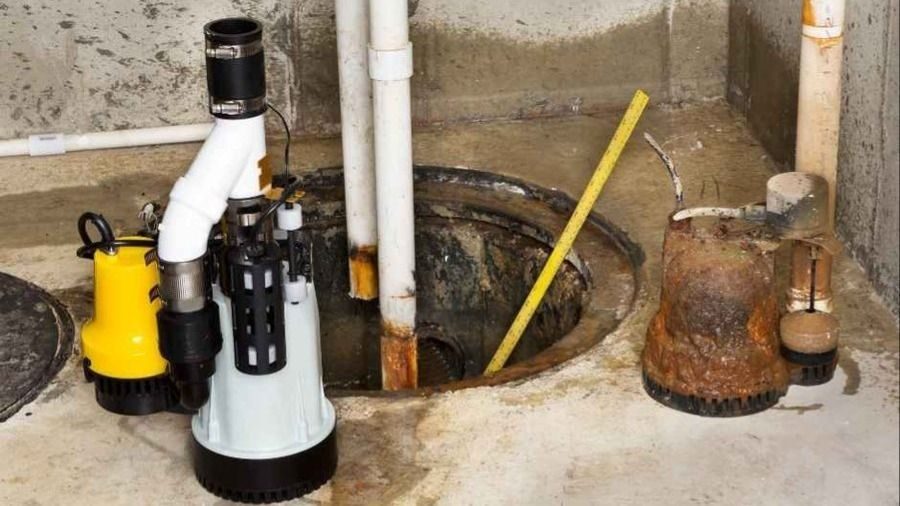
A finished basement can add valuable living space to a Millbury home. It may serve as a family room, home office, guest area, gym, playroom, or storage space. It also contains materials that are especially vulnerable to water damage, including drywall, insulation, flooring, furniture, electronics, and personal belongings.
A primary sump pump helps manage groundwater around the foundation, but it usually depends on electricity. When heavy rain and a power outage occur at the same time, the pump may stop working while water continues to enter the sump pit.
In this guide, we will explain why sump pump battery backups are especially important for finished basements, how these systems work, and what Millbury homeowners should check before hurricane season brings the potential for heavy rain and outages.
Why Hurricane Season Still Matters in Millbury
Millbury is far from the coastline, but that does not mean local homes are protected from the effects of tropical weather. Storm remnants can move through Central Massachusetts and bring prolonged rain, gusty winds, saturated soil, and power outages.
For homes with basements, the problem often begins below ground. As the soil around the foundation becomes saturated, groundwater may move toward foundation cracks, basement walls, floor joints, or drainage systems.
A working sump pump can help control that water. However, severe weather can create several problems at once:
-
Heavy rain increases groundwater volume
-
Wind may damage power lines
-
Utility outages can stop electric sump pumps
-
Saturated ground can slow natural drainage
-
Debris may block exterior drains or discharge lines
-
Municipal drainage systems may become overwhelmed
Waiting until a storm is approaching may not leave enough time to inspect the pump, replace a battery, or install a backup system. Preparing early gives homeowners more time to correct weaknesses before the equipment is under pressure.
How a Primary Sump Pump Protects Your Basement
A sump pump is usually installed in a pit at the lowest part of the basement or crawl space. Groundwater or drainage water enters the pit instead of spreading across the basement floor.
As the water rises, a float switch activates the pump. The pump then moves the water through a discharge pipe, releasing it away from the foundation.
For the system to work correctly, several components must remain reliable:
-
The pump must activate when water rises
-
The float switch must move freely
-
The discharge pipe must remain open
-
The check valve must prevent water from flowing backward
-
The electrical supply must remain available
-
Water must discharge far enough from the foundation
A problem with any one of these components can reduce the system’s ability to protect the basement. A standard electric pump may perform well during ordinary rain but become useless during an outage unless another power source is available.
What Happens When the Power Goes Out
A power outage does not stop groundwater from moving toward your home. If the primary sump pump shuts down, the pit may continue filling until it overflows.
The speed of that overflow depends on rainfall, soil conditions, drainage around the home, and how quickly water enters the pit. Some homeowners may have hours to respond, while others may see water rise much faster.
In a finished basement, even a small amount of water can create extensive damage. Water may soak into carpet padding, flow beneath floating floors, wick upward through drywall, and saturate insulation.
The effects can include:
-
Warped or separated flooring
-
Damaged drywall and trim
-
Wet insulation
-
Ruined furniture
-
Electrical hazards
-
Mold or mildew growth
-
Damage to furnaces, water heaters, or stored equipment
-
Lost photographs, documents, and personal belongings
Water cleanup also involves more than removing visible moisture. The space may need professional extraction, drying, dehumidification, sanitizing, and replacement of affected materials.
How a Sump Pump Battery Backup Works
A sump pump battery backup is a secondary pumping system that operates when the primary pump loses power or cannot keep up with incoming water.
The backup usually includes a separate pump, battery, control unit, float switch, and alarm. If the water rises beyond the normal activation level, the backup system turns on and begins moving water from the pit.
This provides protection during several common situations:
-
A household power outage
-
A failed primary pump
-
A jammed or damaged primary float switch
-
Water entering faster than the main pump can remove it
-
A tripped electrical circuit
-
A storm that causes extended utility interruptions
Battery backup systems are not all identical. Pumping capacity, battery life, alarm features, and run time vary by model.
The amount of protection available also depends on how frequently the pump runs. A system handling a slow flow of water may operate longer than one pumping continuously during intense rainfall.
A backup should be selected based on the home’s water volume and drainage conditions, not simply on price or physical size.
Why Finished Basements Face Greater Financial Risk
An unfinished basement may contain concrete floors, exposed framing, and storage shelves. Water intrusion is still serious, but cleanup may be less complicated when fewer finished materials are present.
A finished basement contains surfaces that can trap and absorb water. Carpet, drywall, insulation, wood trim, cabinetry, and upholstered furniture can all become difficult to save after prolonged exposure.
Water can also move beyond the area surrounding the sump pit. It may travel beneath the flooring or enter the wall cavities before it becomes visible across the room.
Finished basements often contain:
-
Home theaters
-
Computers and office equipment
-
Exercise machines
-
Children’s toys
-
Guest beds
-
Laundry equipment
-
Furnaces or boilers
-
Water heaters
-
Stored seasonal belongings
The cost of a backup sump pump system should be considered alongside the value of the room and everything inside it. Preventing water damage is usually less disruptive than removing flooring, opening walls, drying the structure, and rebuilding the space after a flood.
Signs Your Sump Pump System Is Not Storm-Ready
A sump pump can appear normal yet have weaknesses that become obvious during heavy rain. Testing the system before storm season can reveal issues while there is still time to make repairs.
Warning signs include:
-
The pump is unusually loud
-
The motor hums without removing water
-
The pump runs constantly
-
The pump turns on and off too frequently
-
Rust or corrosion is visible
-
The float switch sticks or catches
-
The pit contains heavy dirt or debris
-
The discharge line leaks
-
Water flows back into the pit after pumping
-
The system has no alarm
-
There is no secondary pump
-
The battery has not been tested recently
-
The backup battery shows signs of swelling or corrosion
-
The system failed during a previous outage
Do not wait for the basement to flood before investigating unusual pump behavior. A professional inspection can determine whether the issue involves the pump, float, check valve, discharge route, electrical supply, or overall system capacity.
A Battery Backup Is Different From a Generator
A generator can help power a home during an outage, but it does not always replace the need for a sump pump battery backup.
Portable generators usually require manual setup, fuel, safe outdoor placement, and properly rated cords or connections. If no one is home when the outage begins, the sump pump may remain without power until someone starts the generator.
Standby generators can activate automatically, but there may still be a short transfer period. They also require regular testing, maintenance, and a reliable fuel source.
A battery backup is designed specifically to respond when water rises or the primary pump stops working. It can activate automatically without a homeowner entering the basement during a storm.
The two systems may complement each other. A generator can support multiple household systems during a long outage, while the battery backup provides immediate, dedicated protection for the sump pit.
What to Check Before Heavy Rain Arrives
A pre-storm inspection does not have to be complicated. The goal is to confirm that the pump, backup, battery, and discharge components are ready to work.
Before hurricane season and major rain events:
-
Pour water into the sump pit to test pump activation
-
Make sure the float moves freely
-
Remove loose debris from the pit
-
Listen for grinding, rattling, or humming
-
Inspect visible pipes and fittings for leaks
-
Confirm that the check valve is working
-
Test the backup pump separately
-
Check the battery status indicator
-
Test the high-water alarm
-
Confirm that the discharge outlet is clear
-
Direct downspouts away from the foundation
-
Clean nearby exterior drains
-
Move valuable belongings off the basement floor
Testing should also include the conditions the backup is designed to handle. Disconnecting power to the primary pump, when safe and performed correctly, can help confirm whether the backup activates.
A plumber can perform a more complete system test and verify whether the backup has enough pumping capacity for the home.
When to Replace or Upgrade Your Sump Pump System
Sump pumps do not last forever. Age, water quality, debris, frequent cycling, and heavy use can all affect performance.
Consider professional sump pump service when:
-
The pump has become unreliable
-
It failed during a previous storm
-
The basement has flooded before
-
The system struggles during moderate rainfall
-
You have finished or plan to finish the basement
-
There is no battery backup
-
The current backup has limited capacity
-
The battery no longer holds a charge
-
Water regularly collects near the foundation
-
The discharge system sends water back toward the home
An upgrade may involve replacing the primary pump, adding a separate backup pump, installing an alarm, improving the discharge configuration, or selecting a larger-capacity system.
The right recommendation depends on how much water enters the pit, how quickly it rises, and how long the home may need protection during an outage.
Why Professional Installation Matters
A sump pump battery backup must be installed and tested correctly to provide dependable protection.
Professional installation helps ensure that:
-
The pump is sized for the expected water volume
-
The backup float activates at the correct level
-
The battery matches the system requirements
-
The check valve prevents backflow
-
Discharge pipes are properly connected
-
Alarms work correctly
-
Electrical components are safely installed
-
The system remains accessible for future maintenance
Placement is also important. A poorly positioned float can become trapped against the pit wall, while an incorrect discharge setup may cause water to return to the basement drainage area.
Professional service also gives homeowners the opportunity to review the entire water management system, including gutters, downspouts, grading, foundation drainage, and the primary sump pump.
Protect Your Finished Basement Before the Next Storm
A finished basement represents a significant investment in your home. Without backup protection, a power outage during heavy rain can leave flooring, walls, furniture, equipment, and personal belongings exposed to preventable water damage.
A sump pump battery backup provides the home with a second layer of protection when the primary pump loses power, fails, or cannot keep up. Testing the system before hurricane season can also reveal worn parts, weak batteries, blocked discharge lines, or missing alarms before an emergency develops.
Landry Mechanical can inspect your sump pump, evaluate your current backup protection, and recommend a system suited to your Millbury home. To prepare your finished basement for heavy rain and unexpected power outages, contact us today to schedule sump pump service or battery backup installation.

Book Online in Minutes
schedule service today
When you need AC, heating, plumbing, or electrical repairs and replacements, call Landry Mechanical Inc Plumbing HVAC & Electric or book online for appointments in Millbury, MA, and throughout Worcester, Middlesex, and Norfolk Counties.